Work no. 4 · Twelve photographs
The Town That Forgot Its Name
One morning in March, every written word in a small mountain town was gone. Signs, maps, labels, letters, gravestones: blank. People could still speak. Nobody could remember what the town was called.
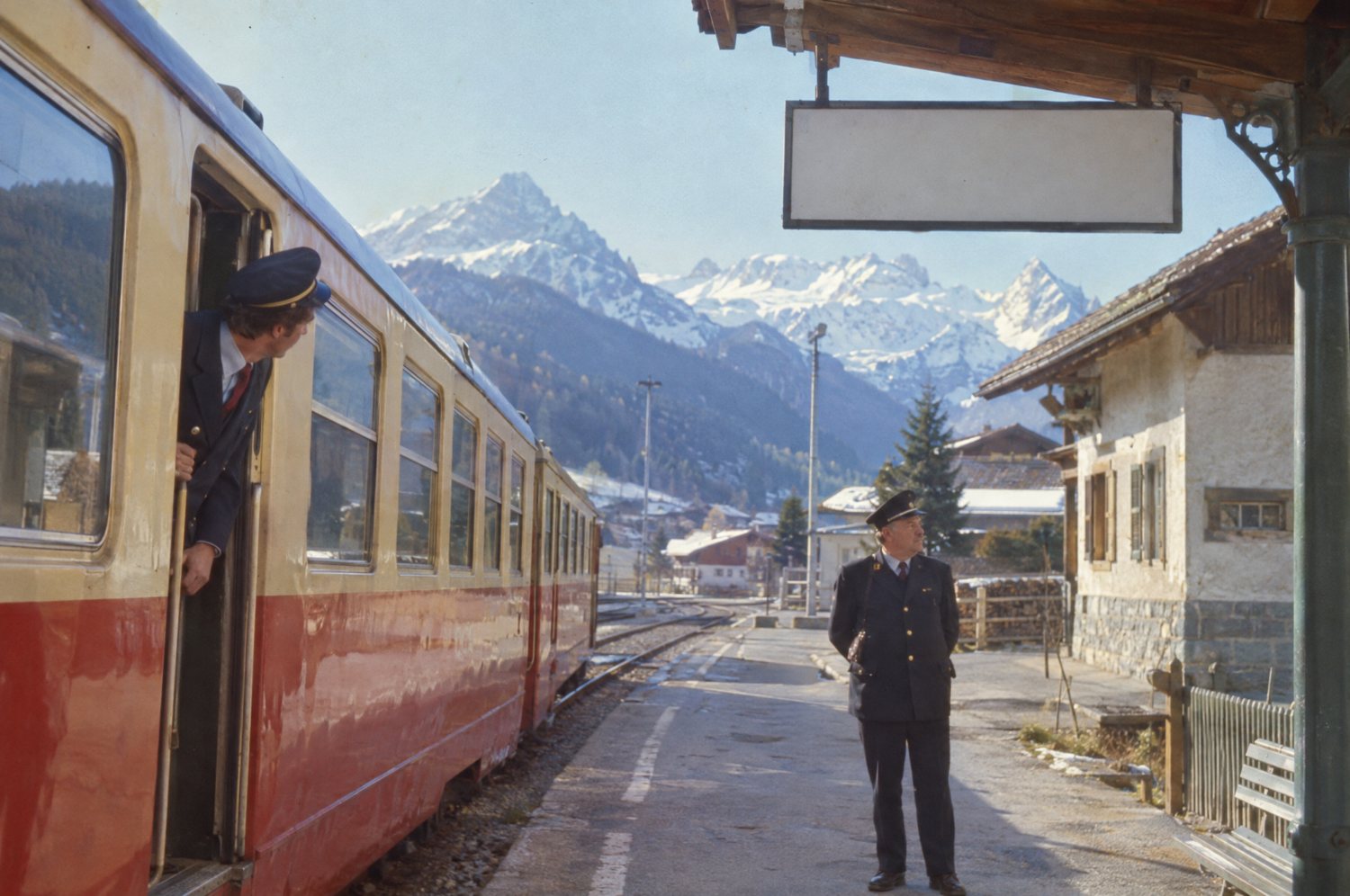
I
The station
“The 6:10 stopped. The conductor leaned out and asked where he was. I opened my mouth and nothing came.”
— the stationmaster
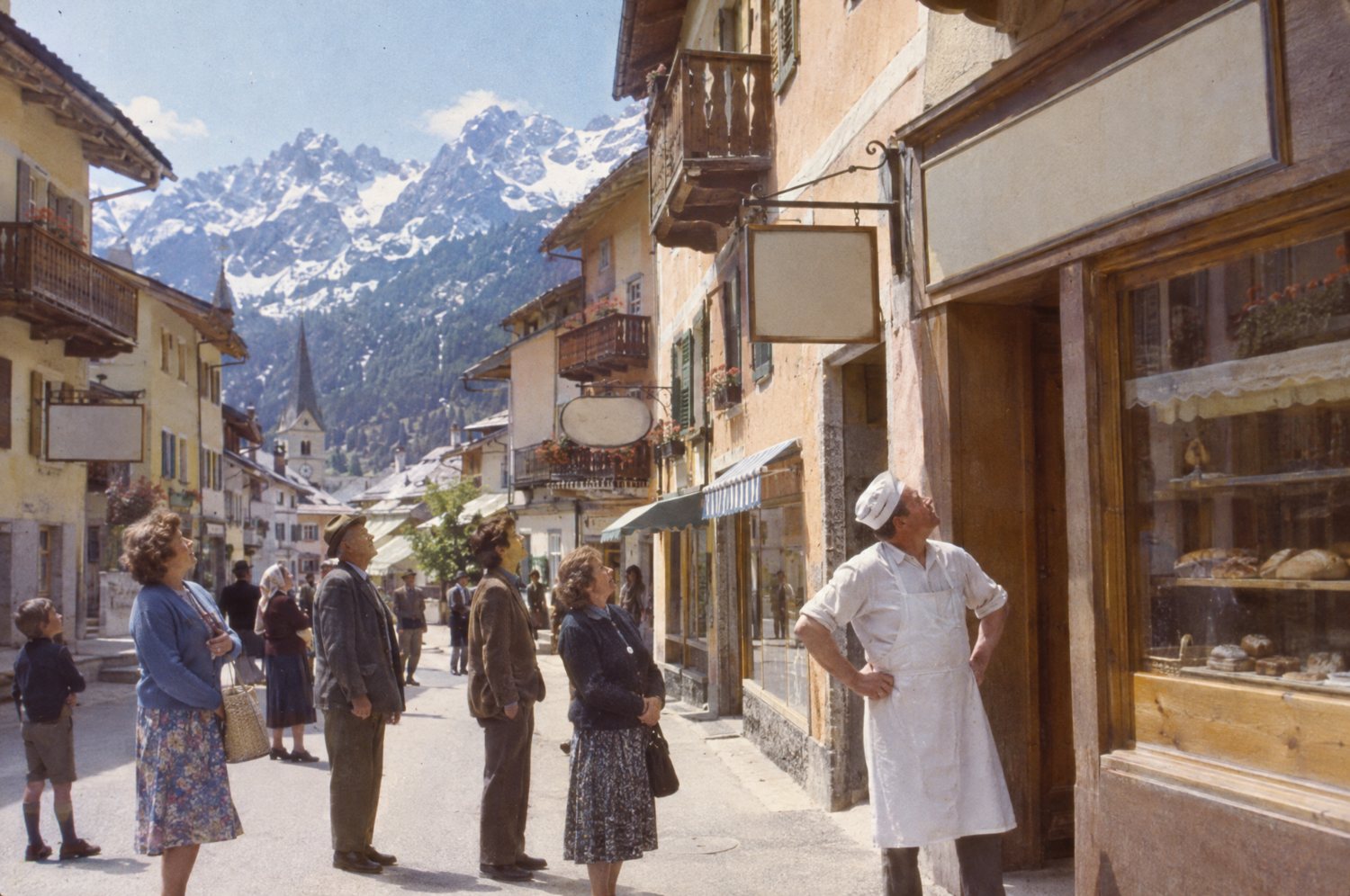
II
The main street
“My father painted that sign in 1931. The board is still there. Only the letters left.”
— the baker
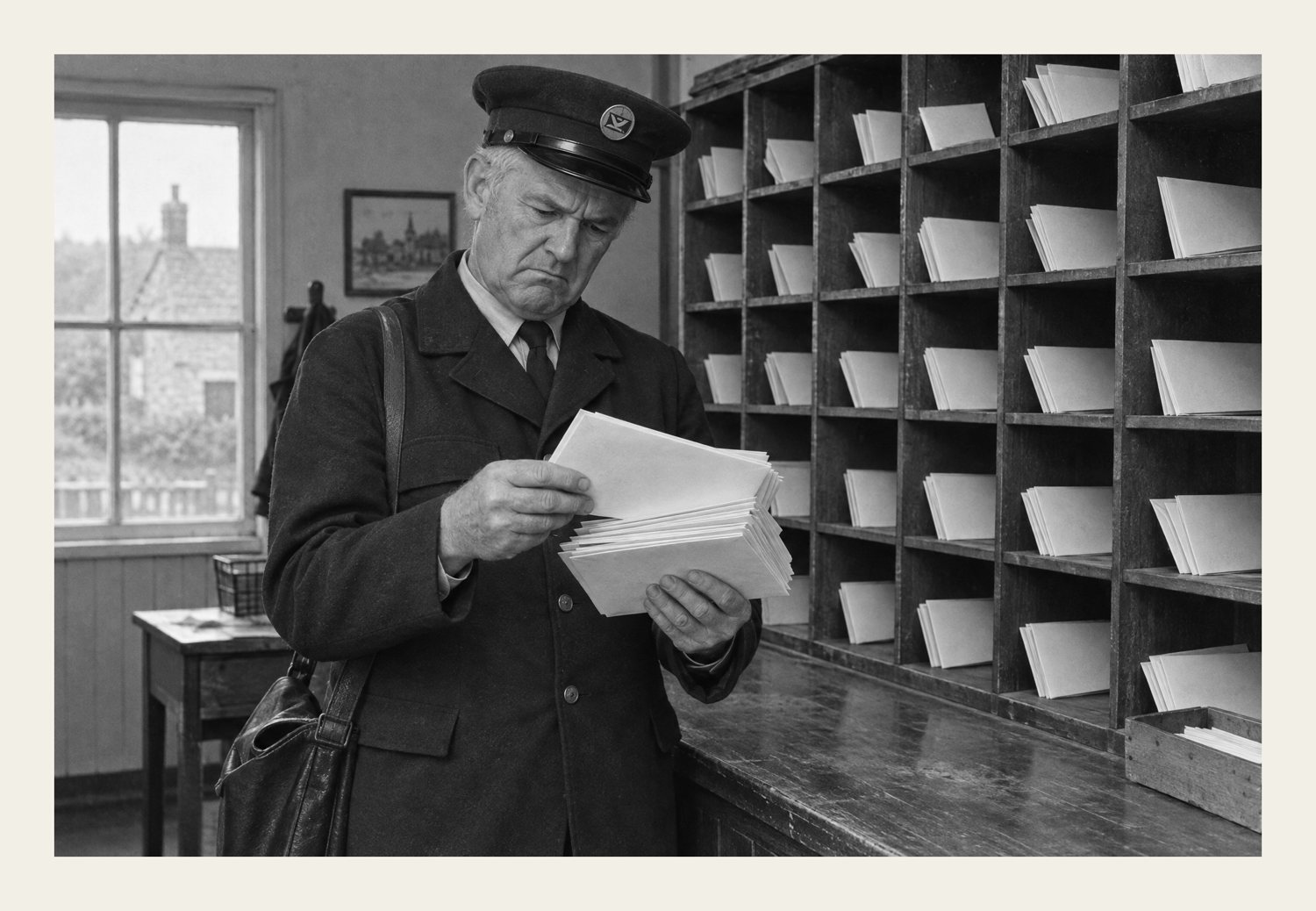
III
The post office
“Four hundred letters that morning and not one address. I delivered them by handwriting, by the weight of the paper, by who looked like they were waiting.”
— the postman
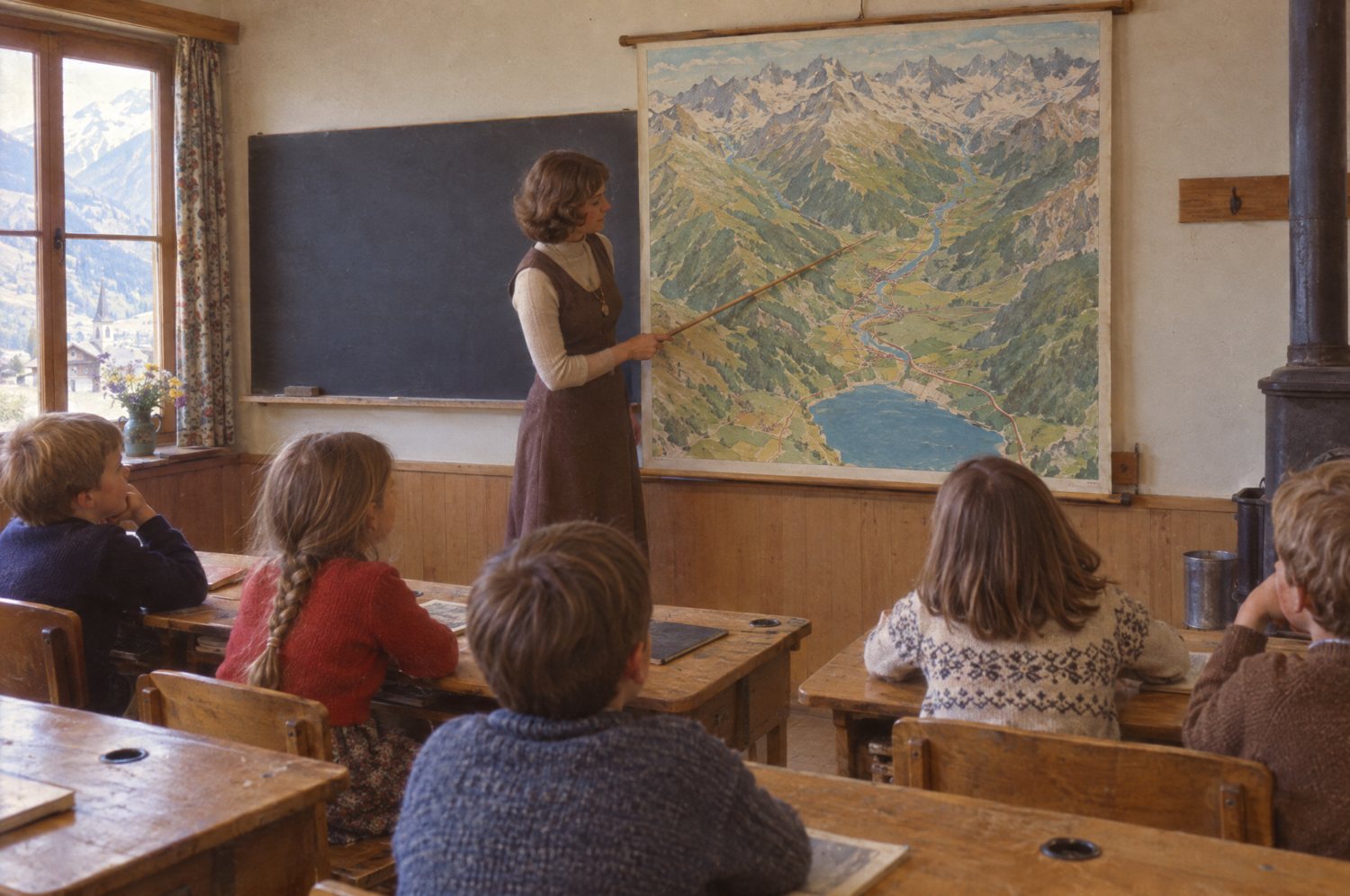
IV
The schoolroom
“The map of the valley was still on the wall. Rivers, roads, the lake. No names. The children said it looked more honest.”
— the teacher
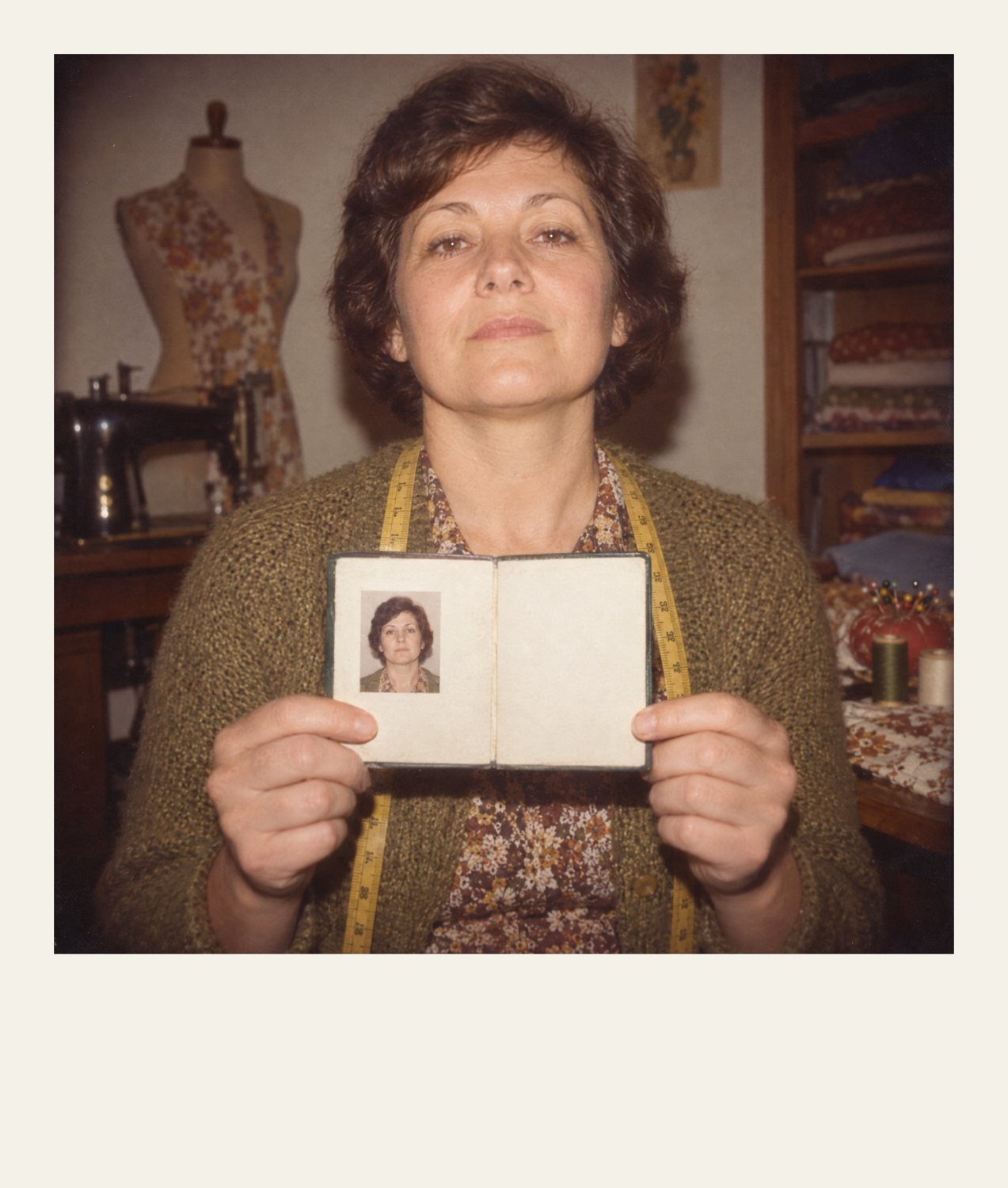
V
Identity card
“My name went too. The clerk in the city told me I did not exist. I asked him who, then, was standing at his window.”
— the seamstress
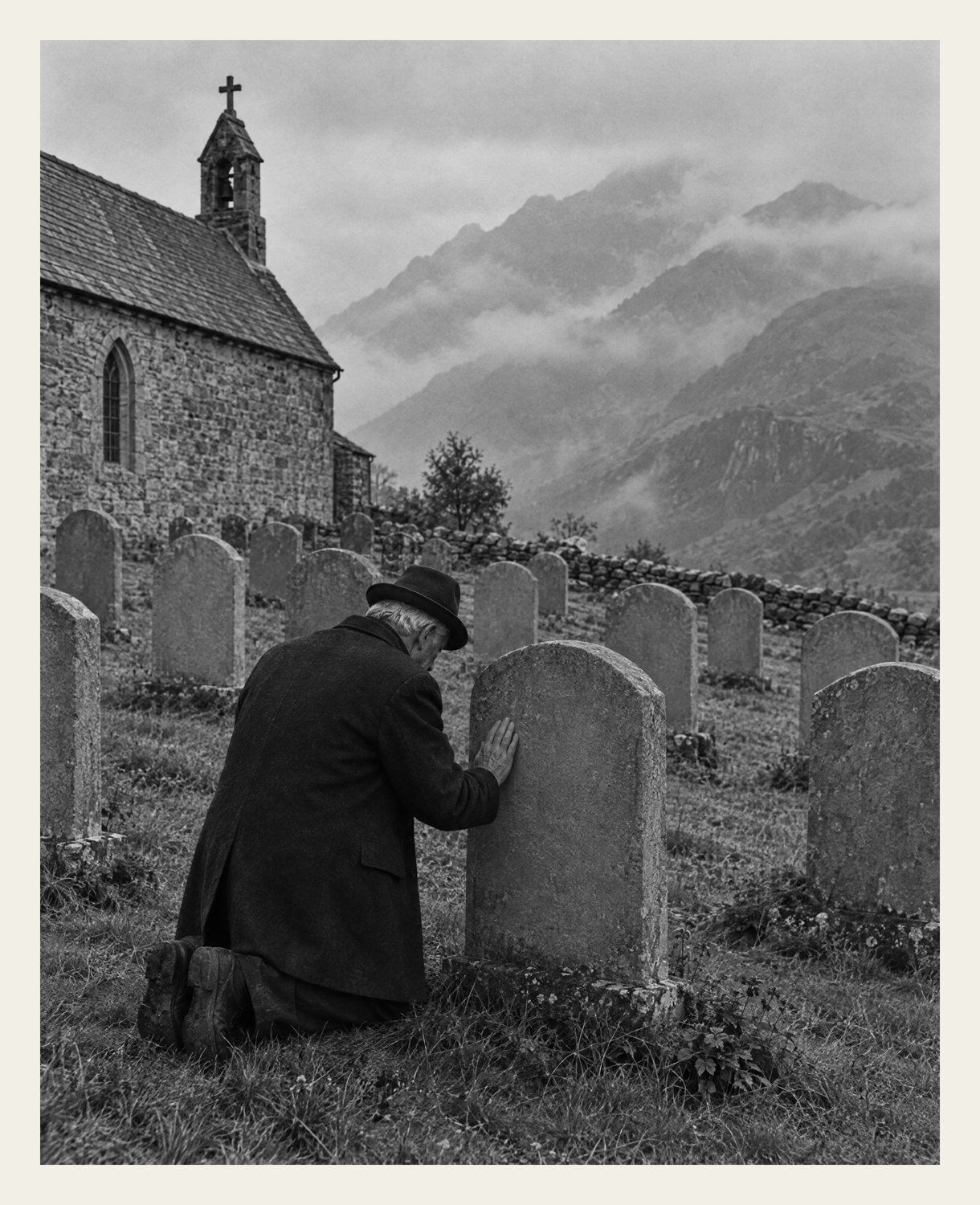
VI
The churchyard
“I knew which one was hers. I would have known it with my eyes shut. Not everyone was so lucky.”
— the widower
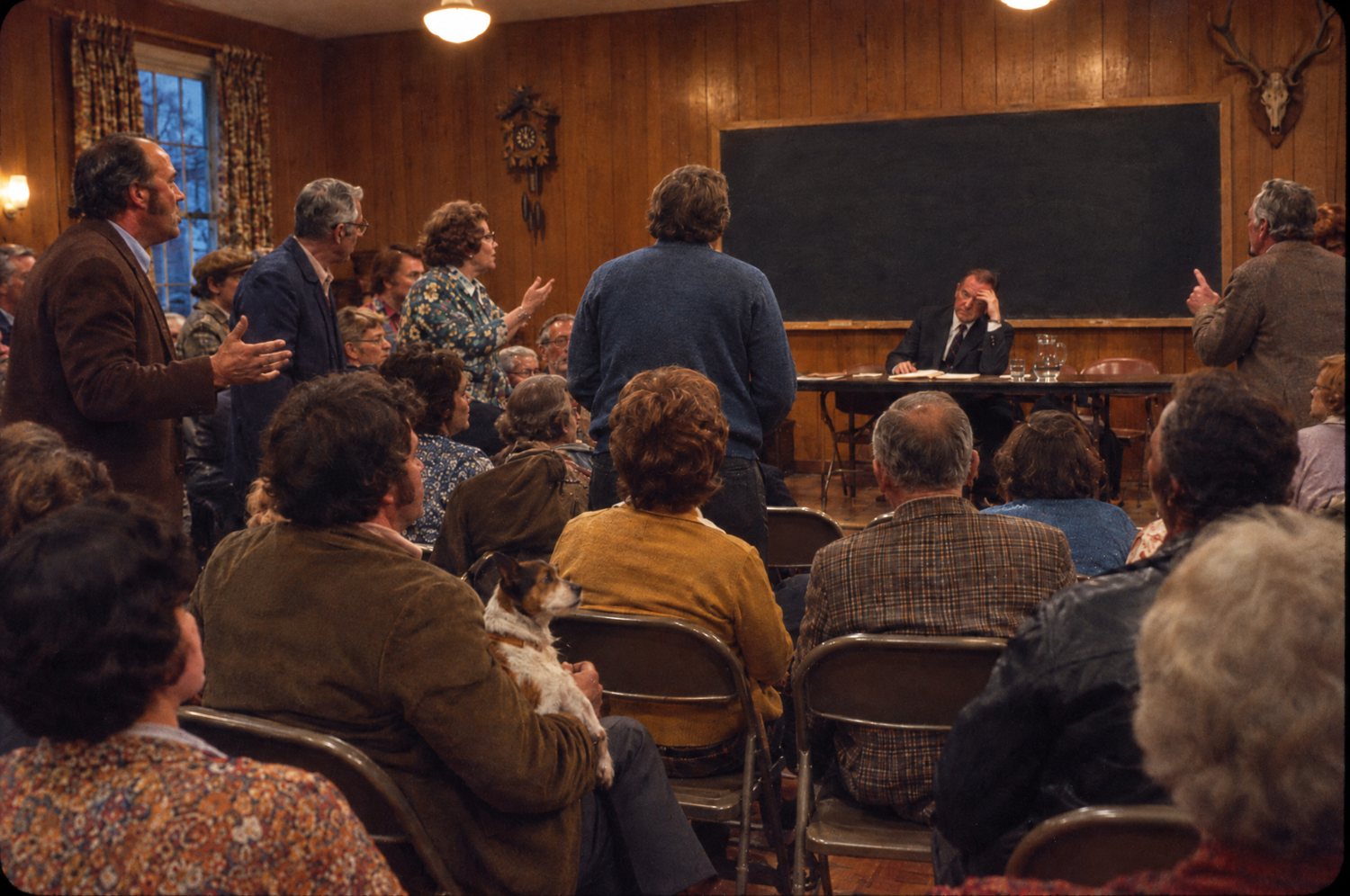
VII
The meeting
“Forty-one suggestions. Two fistfights. One man wanted to name it after his dog.”
— the mayor

VIII
The pharmacy
“I learned every bottle again by colour and smell. Nobody was poisoned. I was very careful. I am still very careful.”
— the pharmacist
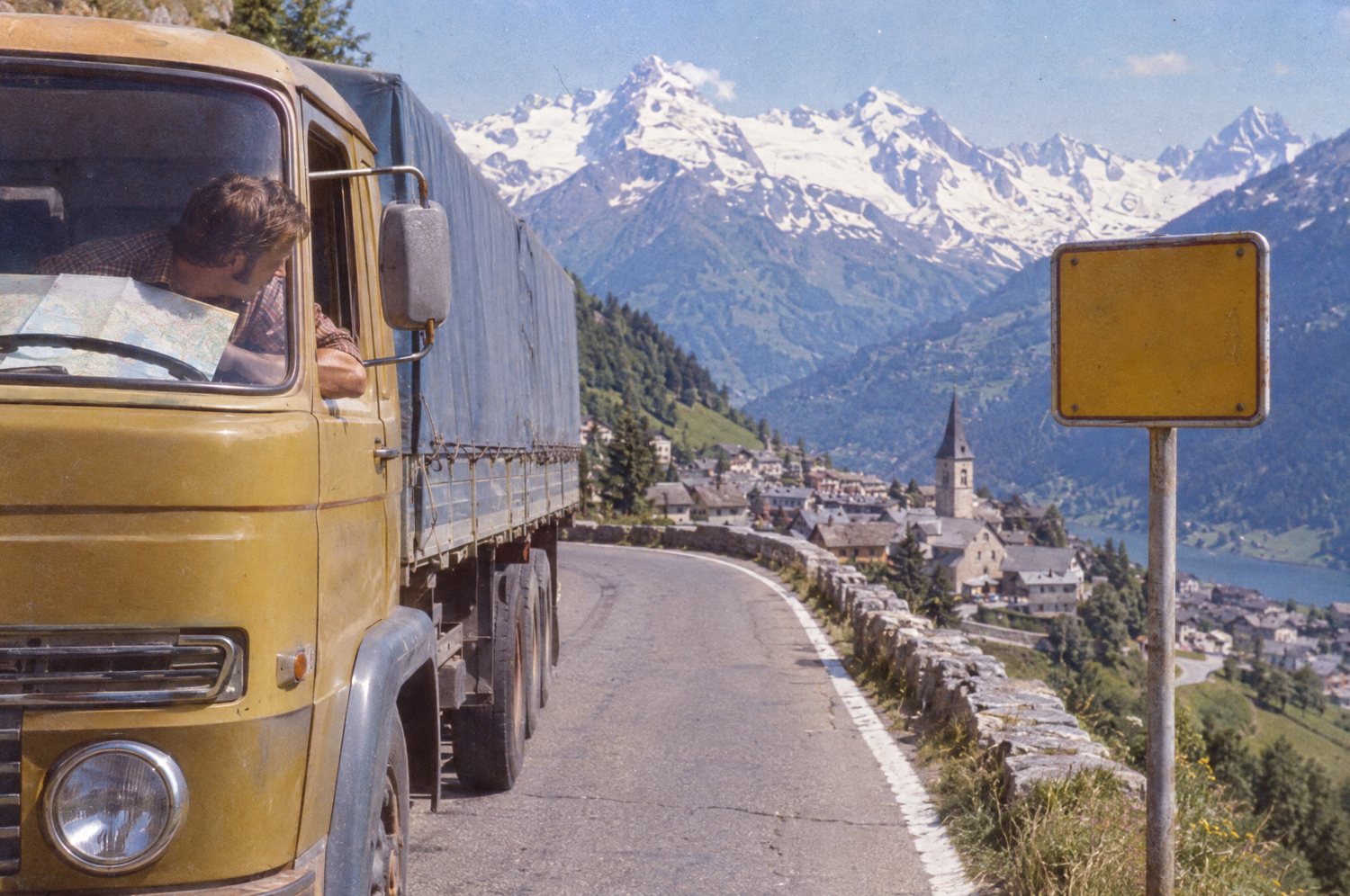
IX
The pass road
“Drove through it three times looking for it.”
— a lorry driver
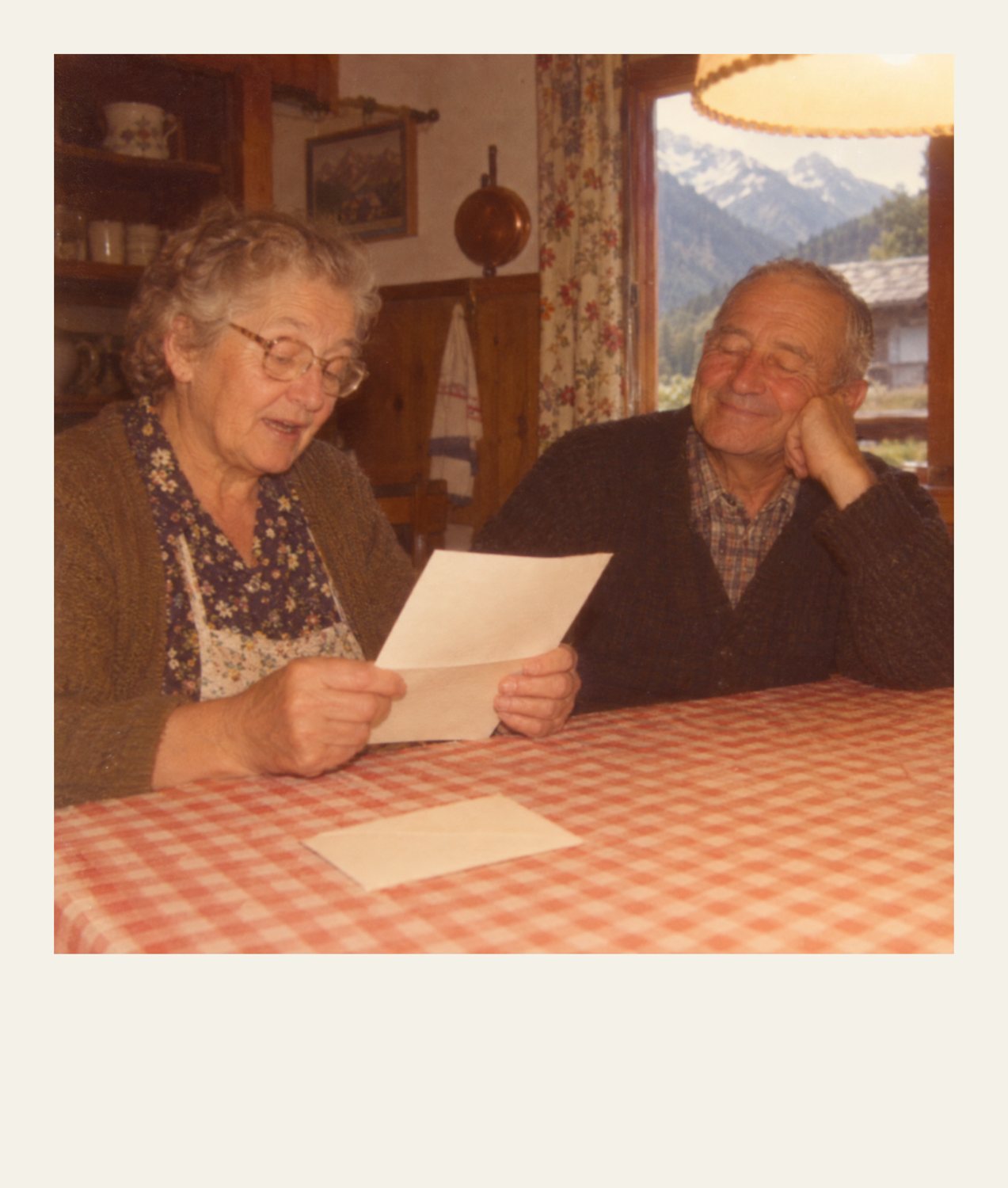
X
Letters from our son
“He still writes every week. The pages come blank. We read them to each other anyway. We know what he would say.”
— his parents
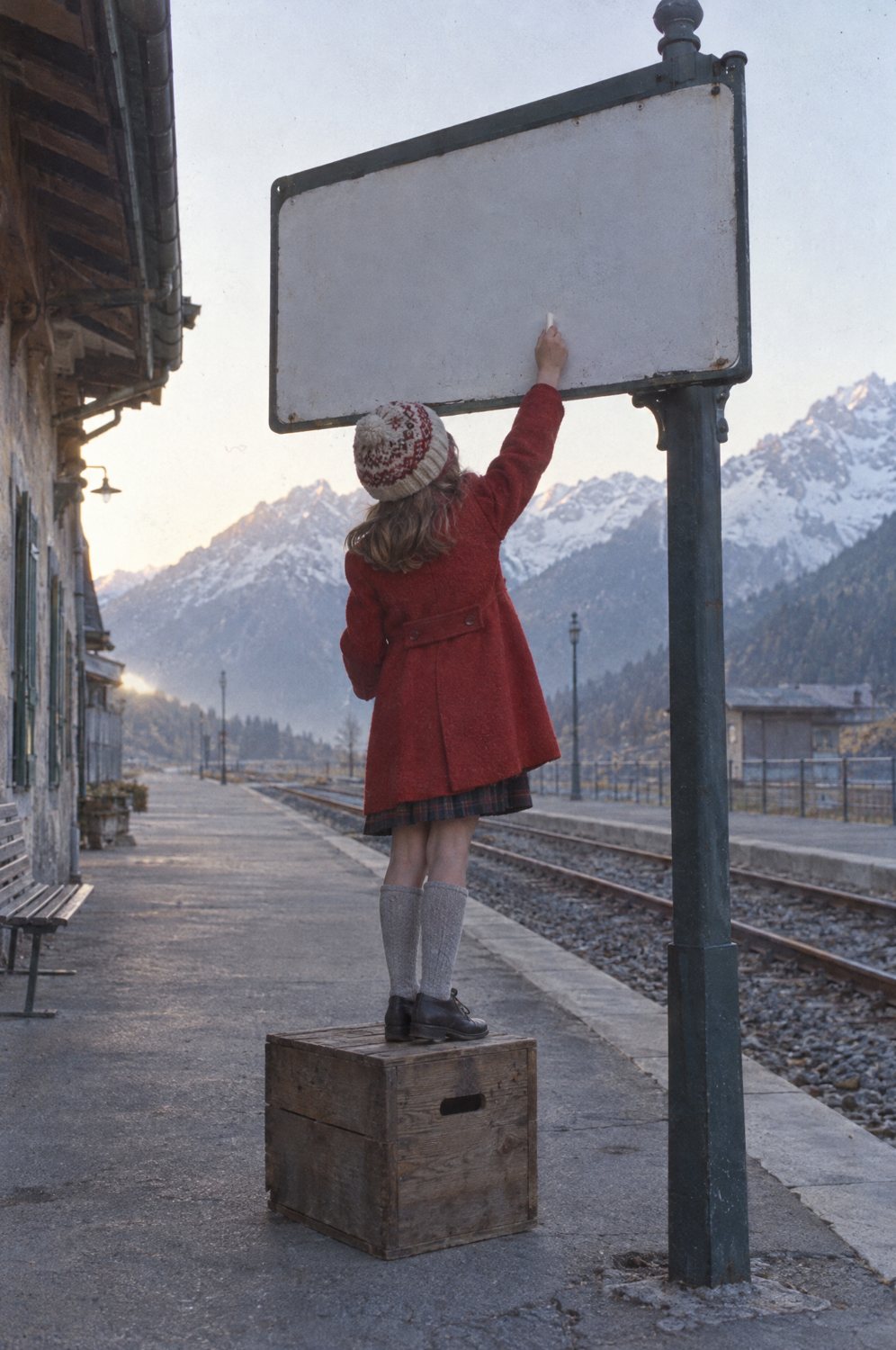
XI
Chalk
“Everyone was waiting for the old name to come back. I just wrote what it was.”
— a girl, nine
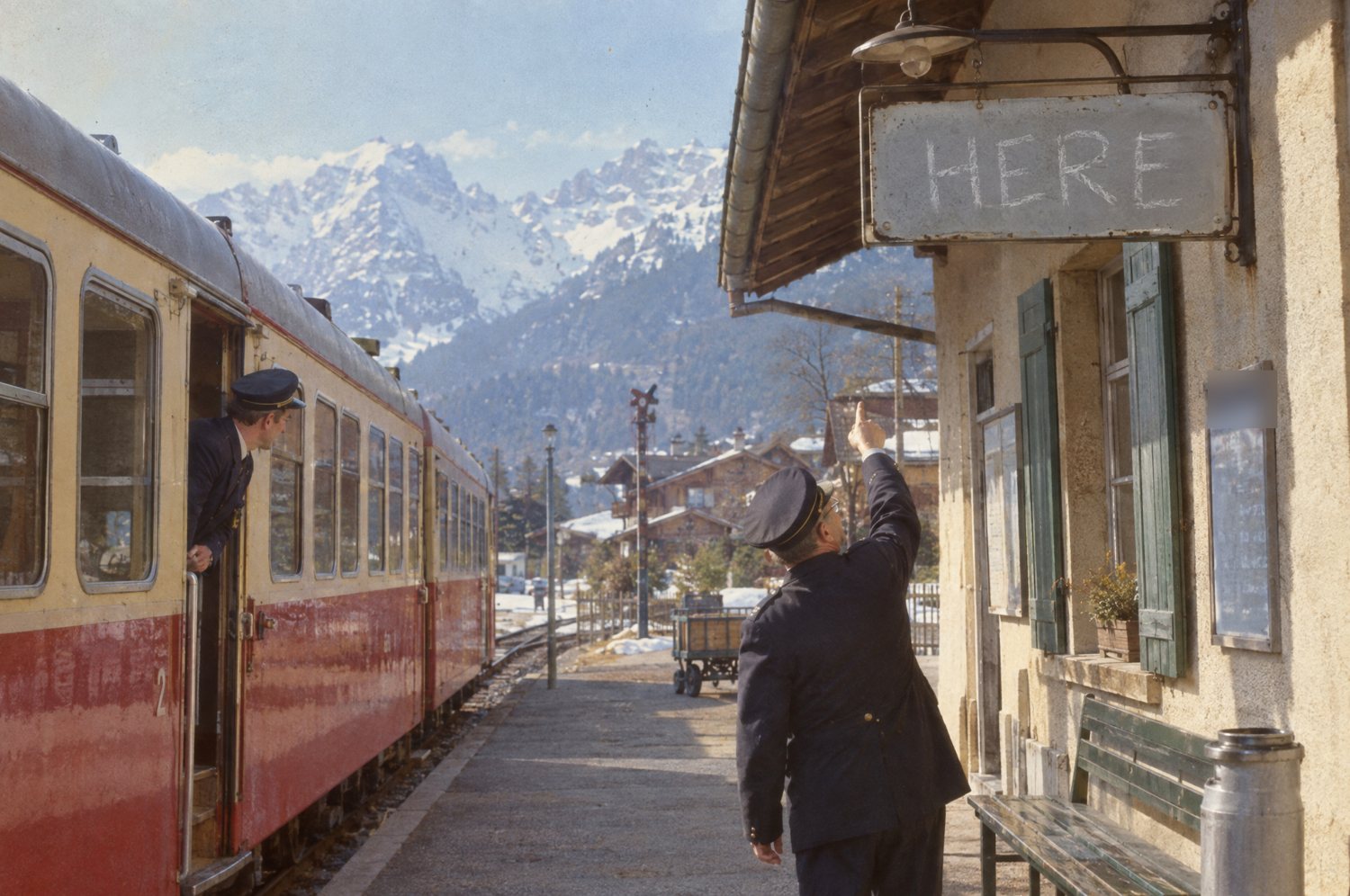
XII
The station
“The 6:10 stopped. The conductor leaned out and asked where he was. I told him.”
— the stationmaster
How it was made
An archive that never existed
None of these are photographs, and none of these people lived. The town, its faces and its blank signs were made with generative image tools, then selected, corrected and captioned by hand, like a box of pictures pulled from different drawers: colour slides, black-and-white prints, two Polaroids.
The rule was absolute: no writing anywhere. Every frame was checked for stray letters, and anything the machines slipped in was removed. The only word in the whole piece is the one a child wrote in chalk. Every piece is labelled as fiction.
Concept, words & direction — Skypanther Studios
Images — GPT Image 2.5 via Higgsfield
Prints & Polaroids — finished by hand

A fiction · images and words created with AI
skypantherstudios.com